

Engineers talking around a workbench inside a Chicago software studio in raking morning light

Chicago custom software since 1999

A Chicago software team that's been at this since 1999

Caxy Interactive builds web applications, enterprise systems, and digital platforms for businesses across the United States. Our studio sits at 212 W Van Buren St #1000 in the Loop, and it has been our home base from the beginning.

Who we are

Engineers, designers, and technical leads in one room

The team

We build software for U.S. businesses — web applications, enterprise systems, and digital platforms. The people you meet in a first conversation are the people who do the work.

What we are not

We are not a staffing agency and not a marketing shop. Clients who have been handed between vendors before tend to care about that distinction more than anything else we say.

Continuity

The lead who scopes your project stays on it through architecture, delivery, and support. That matters when a system has to keep running long after the launch date.

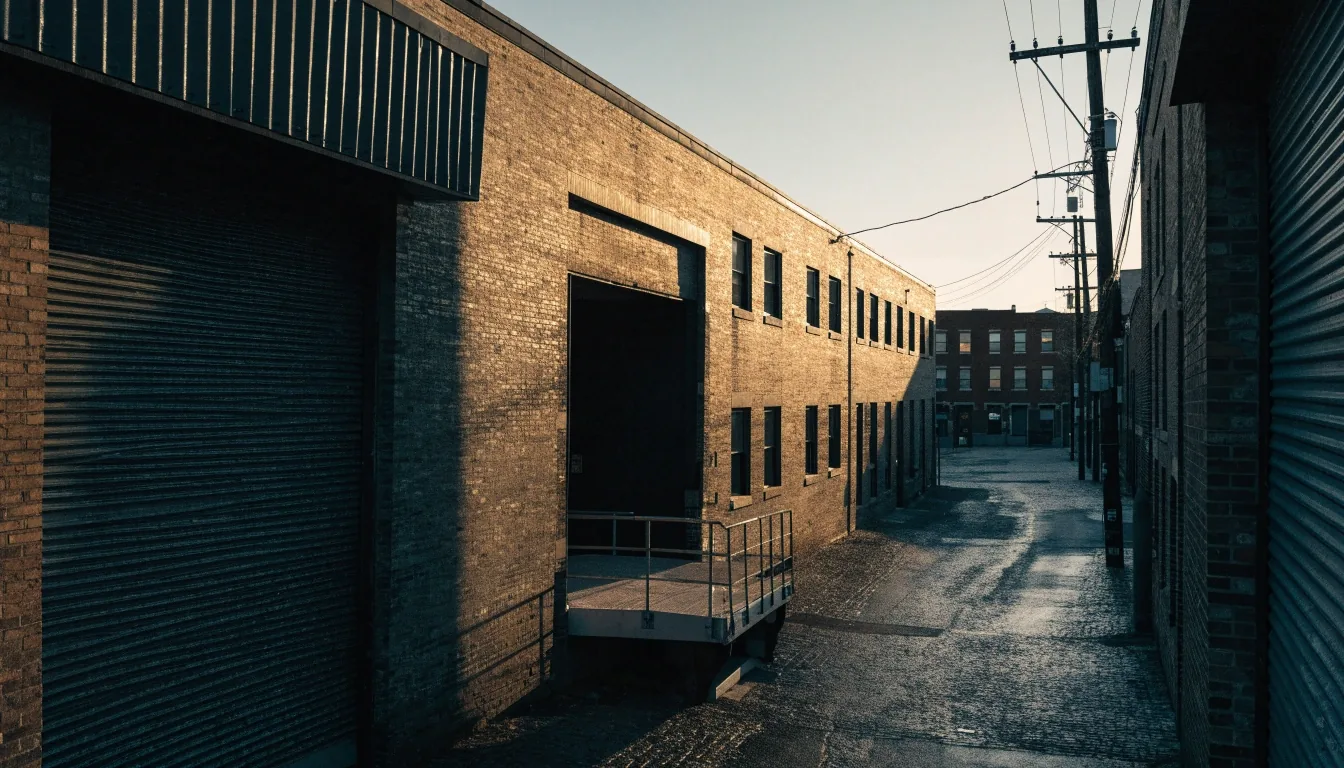
Chicago loading street near the South Loop in harsh low bay light, brick and steel warehouse fronts

Why we stayed in Chicago

The city's business community runs from freight and manufacturing to finance and healthcare, and that variety shaped the kind of software we build. It also keeps us on the same working day as most of our clients, and close enough to meet in person when a project calls for it.

The Loop, facing west

212 W Van Buren St #1000 · Chicago, IL 60607

What staying power means in practice

We have kept systems running for years after we shipped them, so we know what ages well and what does not

Software companies come and go, and clients have learned to ask about it. A long record of maintenance teaches blunt lessons: which choices in a data model survive growth, which integrations quietly become a liability, and how much a rushed shortcut really costs once nobody remembers why it was made.

It also means we have seen enough projects fail to recognize trouble early. When a scope is unrealistic, a timeline is wishful, or a stakeholder is being told what they want to hear, we say so before the contract, not after the invoice. That is most of what a fifteen-plus year relationship is built on.

How we work with clients

Working software from the first weeks, not the last

Discovery & architecture

Before any code, we map the business

We sit with the people who run the operation, the ones who will use the system daily, and whoever owns the budget. Out of that comes a written scope and an architecture we can defend — what we are building, what we are deliberately not building yet, and which tradeoffs we are accepting. You see the reasoning, not just the estimate.
Delivery

Short cycles, direct access to the builders

Work ships in short cycles so you can steer while steering still helps. You have direct access to the engineers and designers building the system, and we explain the technical tradeoffs in business terms, because the decisions based on them are yours. Clients who stay involved in reviews and demos tend to get better software out of the same budget.

Support & maintenance

The same team after launch

Launch is a milestone, not the end of the relationship. We handle updates, incident response, and gradual modernization for systems we built and systems we inherited. Long support windows are where maintenance decisions either pay off or come due, and we would rather be the team accountable for that.

Handover

Documentation that outlives the engagement

If your plans change and you bring engineering in-house, we make that handover clean. You get the architecture notes, environment setup, and the reasoning behind the decisions we made together, so the next team is not starting from guesswork. Software you do not fully understand is not really yours.

Typical engagements run from a focused six-week build to multi-year platform work. If we are not the right fit, we will say so and point you toward a better match.

The standards we hold ourselves to

Four habits we refuse to skip

None of this is unusual in principle. It is unusual how often it gets skipped in practice, and the cost of skipping shows up years later, usually in someone else's inbox.

Maintainability

Code the next engineer can open

We write for the person who inherits the system, whether that is a new hire, an acquisition, or a future version of your own team. Naming, structure, and comments get the same attention as the parts users see, because that is what keeps a five-year-old codebase changeable.

Security & access

Designed in, not bolted on

Authentication, permissions, and data handling are planned during architecture, not patched in when an auditor asks. We keep the review trail clean because we assume the system will eventually face a security questionnaire from a customer who matters.

Testing & review

Tests, then a second pair of eyes

Automated tests cover the behavior your business depends on, and every change goes through peer review before it merges. Review is not ceremony here. It is how a small team catches most of its own mistakes before customers ever notice them.

Documentation

Records that do not leave with the team

Architecture decisions, environment setup, and operational runbooks live in your repositories, not only in someone's memory. We also ship through automated pipelines, so releases are repeatable rather than a ritual one person knows how to perform.

What we do not do

Clear about the boundaries

We do not build marketing websites, and we do not sell staff augmentation. If your project is a small brochure site or a short-term team extension, we are not the right partner, and we will point you toward someone who is.

The same goes for one-off prototypes built to secure a budget line rather than run an operation. Being direct about where we fit saves months on both sides. What we do best is custom software that runs a business process or supports a product — systems with real users, real data, and a lifespan measured in years.

How to tell

If the work involves permissions, integrations, data migration, or a workflow people depend on daily, it is likely a fit. If the deliverable is five pages and a contact form, it is not. If you are unsure, describe the problem in a sentence or two and we will tell you honestly.

Our approach to AI

Where these tools help, and where they do not

There is a lot of noise about what AI can do for a business. Our experience is that the useful applications are specific: automating a document-heavy review step, improving search inside an internal system, or speeding up routine engineering work like scaffolding a service or generating test cases.

That applies to how we build software internally and to what we recommend for clients. Everything else we evaluate on a case-by-case basis, and we would rather be honest about the limits than chase whatever is popular this quarter.

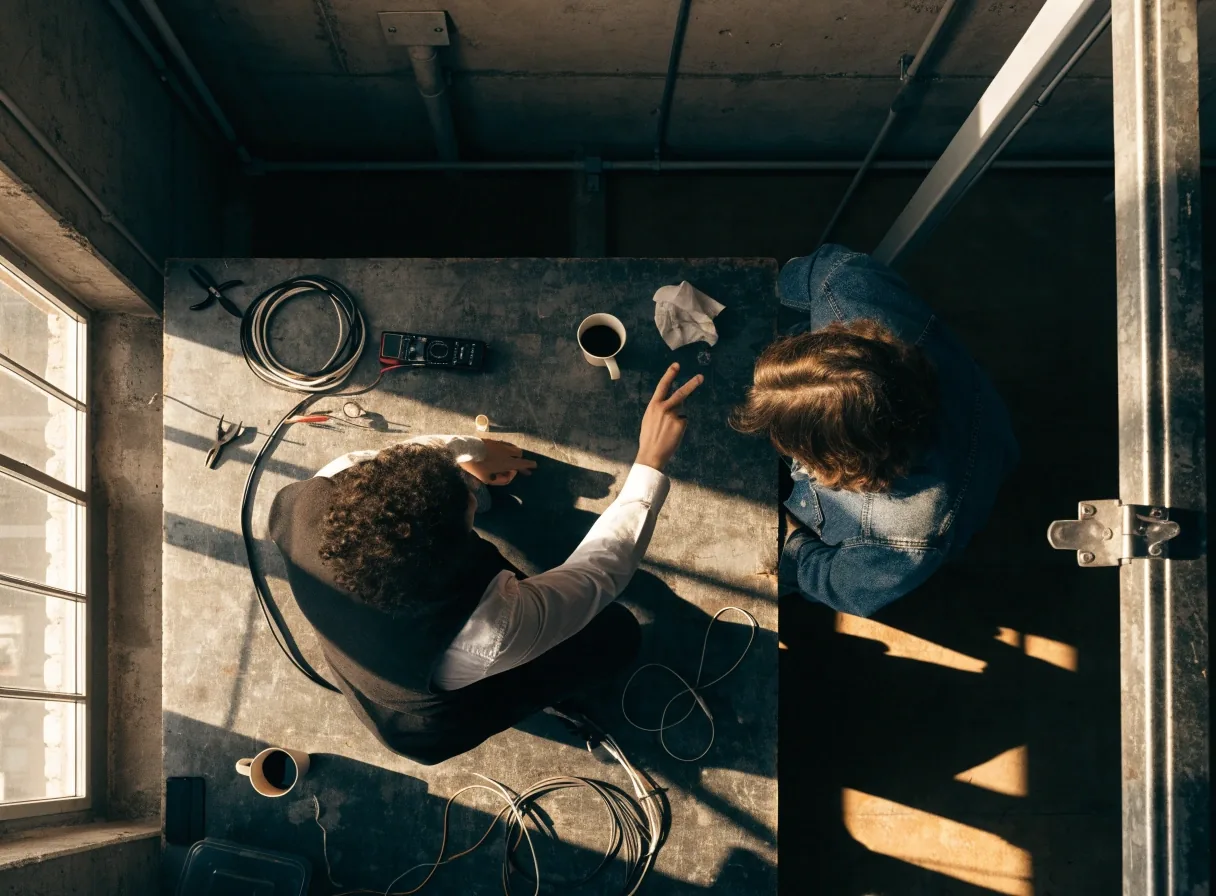
Two engineers working over the same bench in a studio, seen from above in side window light

What clients actually get

Chicago · Chicago Custom Software Since 1999

Clients hire us for different reasons, but the common thread is wanting software that solves a real problem and holds up. That means we focus on the fundamentals: understanding the problem properly, choosing a sensible architecture, shipping regularly, and staying involved after launch.

It is not glamorous work, and it is the reason long-term clients keep coming back. You get a team that knows your system, a codebase your next engineer can pick up, and a partner who tells you the truth about scope and timeline — including when the honest answer is no.

Common questions

Before you get in touch

We have an old system nobody wants to touch. Is that a project you take on?

It is a common starting point. We spend the first weeks understanding what the system does and what depends on it, then propose a path: targeted repairs, a gradual replacement in stages, or a rebuild where the old software genuinely blocks the business. We have maintained systems for years after we built them, and we have taken over systems other teams left behind. Both are normal work for us.

How do you price a project when the scope is not fully known?

We start with a paid discovery phase: interviews, a review of existing systems, and a written scope with an architecture we can defend. From there we work in cycles you can adjust as the product becomes clearer. It costs more up front than a fixed bid on a vague brief, and it costs far less than discovering in month four that the estimate was fiction.

We are not in Chicago. Does that matter?

No. We work with U.S. businesses in other states on the same working day, using scheduled reviews and demos. The Chicago address matters when a project benefits from an in-person workshop or a whiteboard session, and plenty of engagements never need one. Remote clients get the same team and the same direct access to the people building the software.

What does a typical first conversation look like?

A call with a technical lead and a short walkthrough of the problem: what the system needs to do, who uses it, what exists today, and any constraints you already know about. If it looks like a fit, we propose next steps. If it does not, we tell you that quickly and suggest who might be a better match. You leave with a clearer picture either way.

Bring us a real problem

If your project needs software that holds up, we would like to hear about it

Tell us what the system needs to do, what exists today, and where it hurts. If we are not the right fit, we will say so and point you toward someone who is.

212 W Van Buren St #1000, Chicago, IL 60607

Monday–Friday, 9:00 AM – 6:00 PM CT