
Websites and web applications
Customer portals, booking systems, dashboards
Tools that replace manual workflows and give the people who use them a reason to stop emailing spreadsheets around.
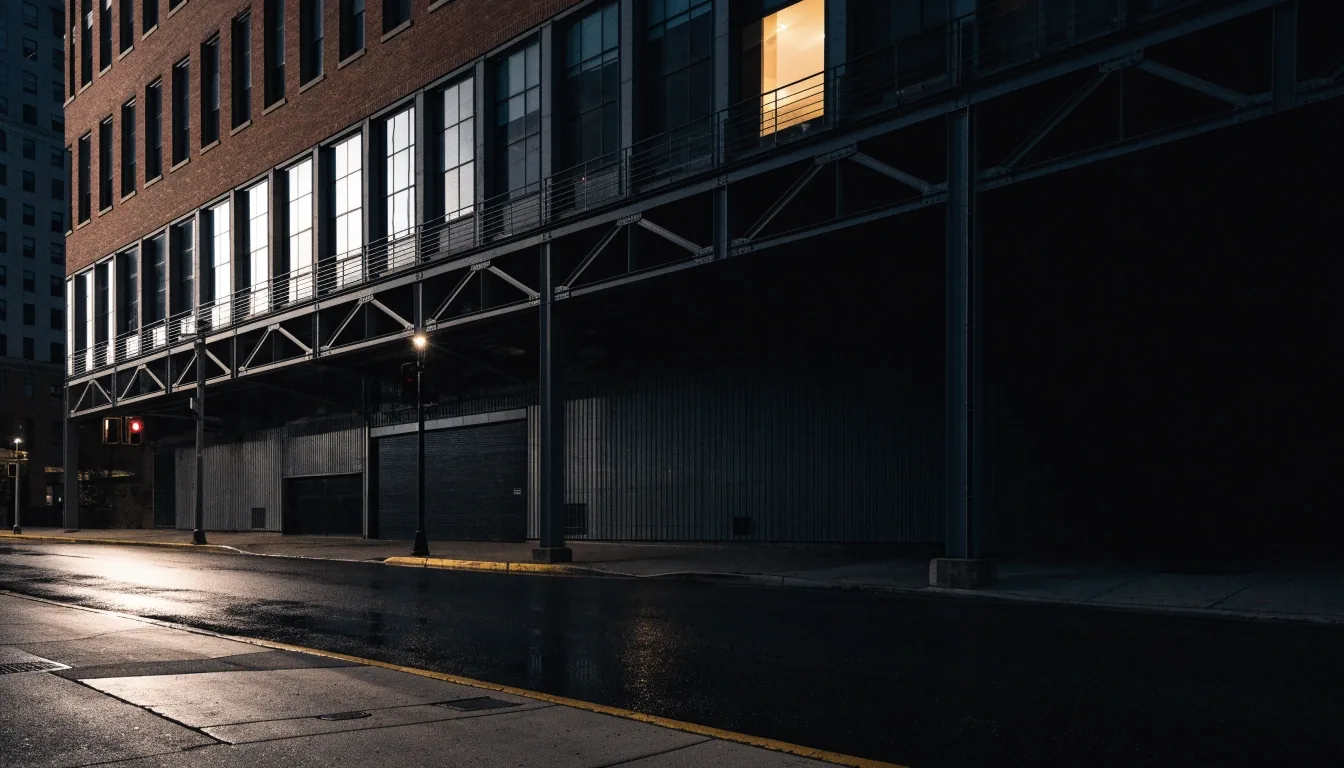
212 W Van Buren St, Chicago
We build web applications, enterprise software, and digital platforms for U.S. businesses — from the same Chicago office for over two decades.
What arrives
Caxy Interactive is a custom software development company at 212 W Van Buren St #1000 in Chicago. Projects do not usually arrive as a tidy brief. Most show up as a broken process hiding behind a spreadsheet, a legacy system nobody wants to touch, or a product idea that needs a working first version.
Some buyers come with a signed-off spec. More come with a nagging operational problem and a rough sense of budget. Both are workable. We start by figuring out whether the answer is a custom web application, an internal tool, a new platform, or an integration layer between systems you already own. That decision shapes everything after it, so we do not rush it.
Longevity in software is unusual, and buyers ask about it. What it means in practice: we have watched several technology cycles come and go, we have maintained systems we built years ago, and we have learned which shortcuts get paid for later.
It also means we have seen enough failed projects to be blunt about scope. If a project is a bad fit, we would rather say so early than take it and hope.
Four things we build
Most of our work lands in one of four buckets, and many projects touch two or three of them.
Websites and web applications
Tools that replace manual workflows and give the people who use them a reason to stop emailing spreadsheets around.
Enterprise software
Billing, scheduling, and reporting across departments, built so that one team's change does not silently break another's numbers.
Digital platforms
Subscription billing, user roles, and integrations — the shape a product takes once it has to serve more than one customer.
Modernization and integration
Connecting the databases, CRMs, and internal tools a business already runs on, so new code and old code can share the same facts.

Why a Chicago team
Working in the same time zone sounds small until you are debugging a payroll system on a Tuesday afternoon. Our team is in Chicago, which makes it practical to meet in person when a project needs it and easy to reach each other during a normal workday.
That proximity is a scheduling reality, not a slogan: kickoffs, design reviews, and problem escalations happen while everyone is awake and available. For teams spread across the U.S., we work remotely without the offshore time-zone handoff that stretches feedback loops into days.
Most custom software fails not because the new code is bad but because it cannot talk to what already exists. Your CRM, ERP, billing system, database, and internal tools all have their own ideas about data. We plan the integration layer before the first sprint, not after.
What stays
The tools your team already trusts and that hold data you cannot afford to move. We plan around them rather than pretend they are not there.
What gets wrapped
Wrapping a system means new code reads and writes through a stable layer, so you can replace the parts that hurt without a full rewrite on day one.
What gets replaced
Some things are cheaper to retire than to keep alive. We say which, and when in the plan that decision has to be made. A build that ignores this step is a demo that never reaches production.
Build, buy, or subscribe
One of the first questions worth answering, because the wrong answer is expensive. We walk through it with you before anyone writes code.
A custom web application is usually the better call when your data and workflow need to stay under your control, and when the software has to bend to how the business already runs.
Nothing here is a rigid methodology. It is the order we have found works when a business process has to end up as running software.
First conversation
What the problem is, who it affects, what systems it has to talk to, and what a reasonable first release would include. You leave with a clearer sense of scope and whether we are the right fit.
Discovery and scope
Custom web application, internal tool, new platform, or an integration layer between systems you already own. Some projects also begin with a short scoping phase before full development starts.
Architecture
Before the first sprint we decide what stays, what gets replaced, and what gets wrapped. The stack follows the project, not the other way around; the constraint that matters is whether the result can be maintained and extended years from now.
Delivery
Releases you can use and question, not a black box that opens at the end. Design reviews and escalations happen during the workday, while your own team is available to answer.
Support and upkeep
We have maintained software we built years ago, which is the honest test of how it was designed. Handover documentation and a maintainable codebase are part of the work, not an afterthought.
Being clear about this saves everyone a discovery call. We are a custom software team, not a staffing agency and not a marketing site shop.
If you need bodies dropped into an existing team, a directory of firms offering that is a better fit than we are.
If you need a website with a form and a blog, plenty of agencies do that well. What we do best is building software that runs a business operation or a product.
Where to go next
Most people read two of these pages and then reach out. Pick whichever matches what you are trying to get done.

Services
Websites and web applications, enterprise software, digital platforms, and the modernization work that connects them to what you already run.
See our services
Case studies
Representative projects and the thinking behind them — including the decisions that were hard to make.
Read case studiesShort answers. If yours is not here, the contact form takes two minutes and a person in Chicago reads it.
No. Our team and office are in Chicago, and we work with clients across the U.S. Local proximity helps, but it is not a requirement.
With a discovery conversation about the problem, the systems involved, and what a first release should include. Some projects begin with a short scoping phase before full development.
Sometimes. We review the existing code, document what is there, and tell you honestly whether continuing or rebuilding is the better path.
We choose the stack based on the project rather than the other way around. The important constraint is whether the result can be maintained and extended years from now.
A first call is a working session, not a sales pitch. If we are not the right fit, we will say so and point you toward the kind of team that is.
Caxy Interactive
212 W Van Buren St #1000
Chicago, IL 60607, United States
+1 312-594-3354 · [email protected]
Monday–Friday, 9:00 AM – 6:00 PM CT